Manech.

Site-specific art · worldwide commissions

A wall can become part of the story.

Bespoke ceramic tile murals, hand-painted walls and decorative plaster surfaces developed with architects, interior designers, hospitality teams and private clients — from first drawing to installation.

  • Ceramic tile
  • Painted wall
  • Venetian plaster
  • Mixed media
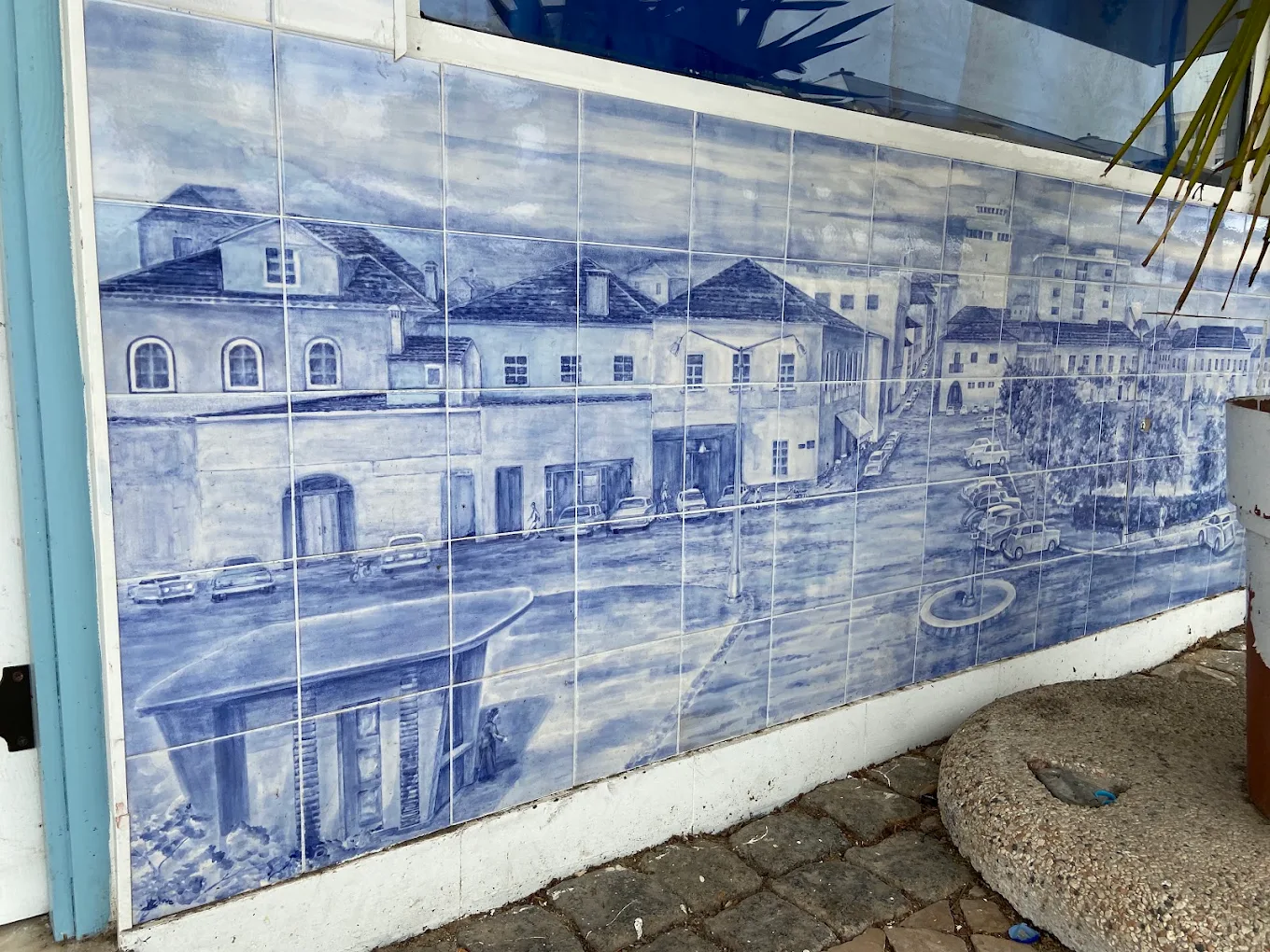
Large hand-painted blue and white ceramic tile mural integrated into an architectural wall
Hand-painted ceramic tile mural · site-specific work01 / 01

Materials & applications

One idea. The right surface.

The artwork and material system are developed together. Scale, substrate, light, touch, weather exposure and maintenance all inform the final method.

01

Glazed ceramic · fired colour

Paint over ceramic tile

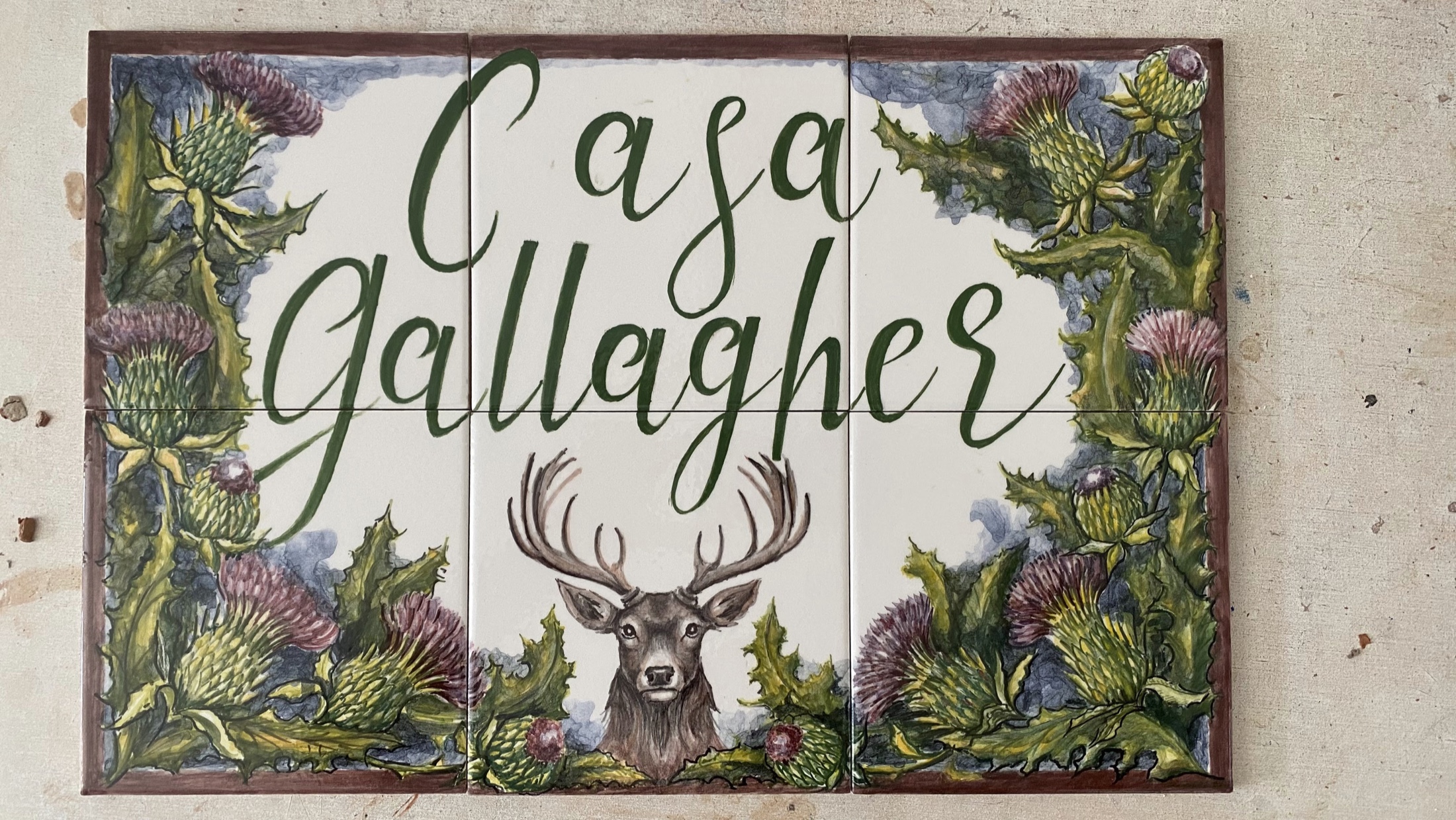
Individual tiles are painted by hand and kiln-fired, then assembled as a permanent architectural composition. The modular format can respond to curves, openings and large elevations.

  • Interior or exterior
  • Wet and high-touch areas
  • Facades, pools, courtyards and lobbies
02

Site-selected wall paint system

Paint directly on wall

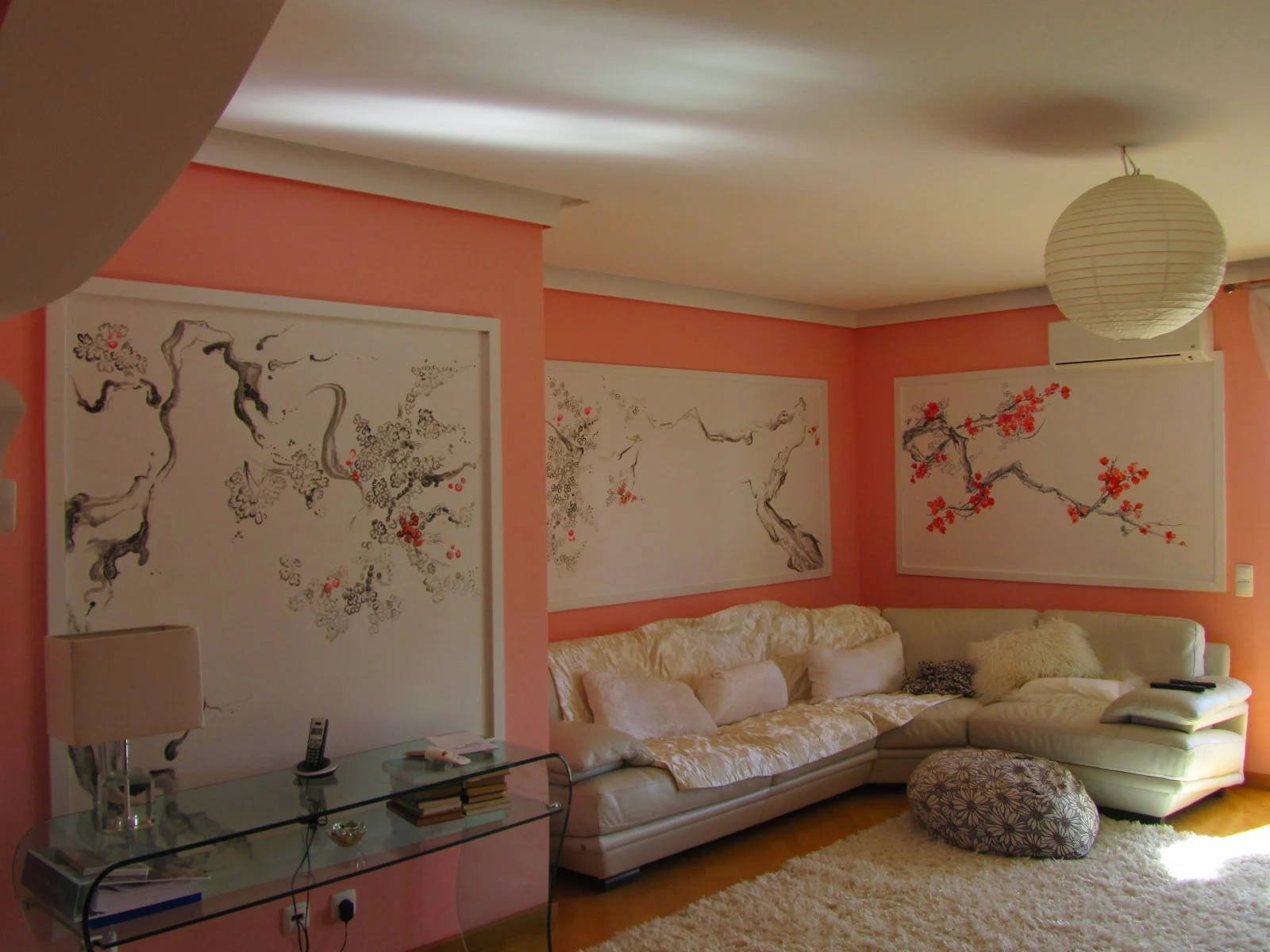
The image is drawn and painted directly onto the prepared wall. Paint chemistry and protective finish are specified for the substrate, light and exposure of the site.

  • Large uninterrupted compositions
  • Interior feature walls
  • Hospitality and public spaces

03

Estuque veneziano · layered mineral finish

Venetian decorative plaster

A luminous, hand-worked plaster surface with depth and movement. Venetian-style decorative plaster can remain abstract or become the ground for painted detail and mixed-material work.

  • Refined residential interiors
  • Reception and dining spaces
  • Feature walls and quiet transitions

04

Tile · paint · plaster

Mixed-material surfaces

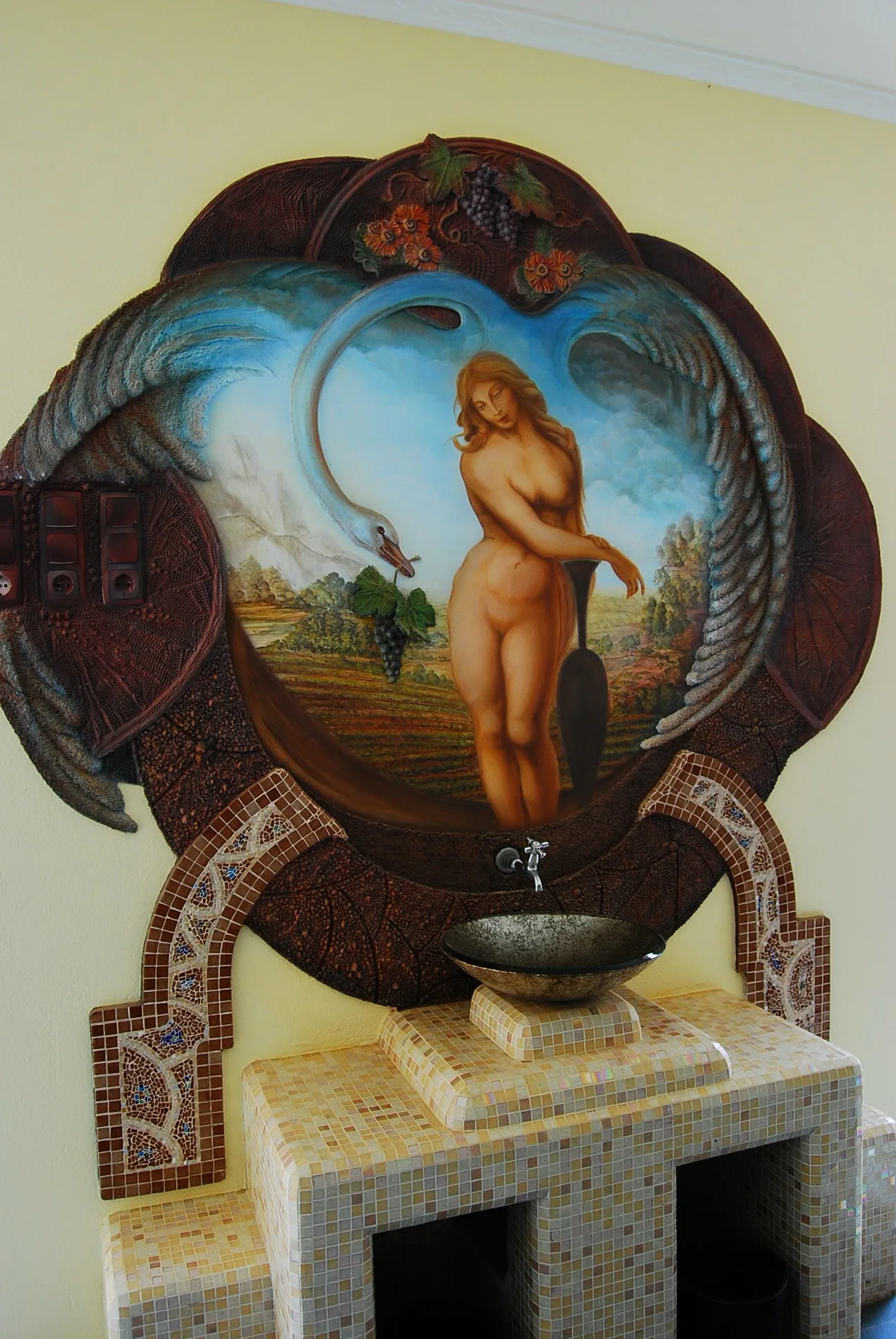
Ceramic relief, painted tile, direct wall painting and decorative plaster can meet within one project, creating shifts in texture and light across the architecture.

  • Bespoke interior concepts
  • Thresholds and focal points
  • Projects requiring a unique material language

Work in context

Scroll through the material possibilities. New built projects can be added to the open archive slots as they are photographed.

Blue and white ceramic tile mural showing a city streetscape

01 · Painted tile mural

The city as a ceramic surface

A wide architectural panorama built tile by tile, using freehand line and a restrained blue-and-white palette.

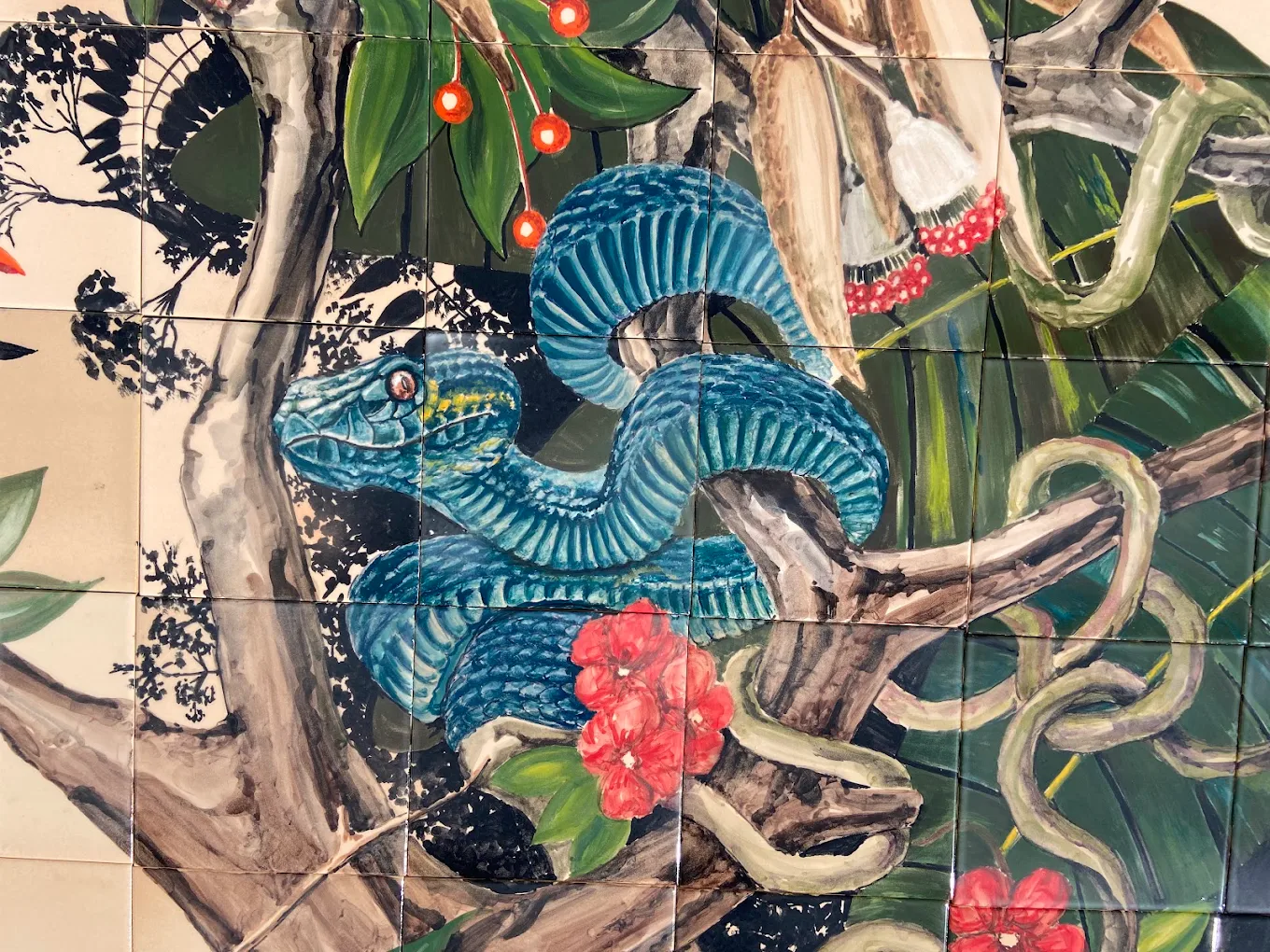
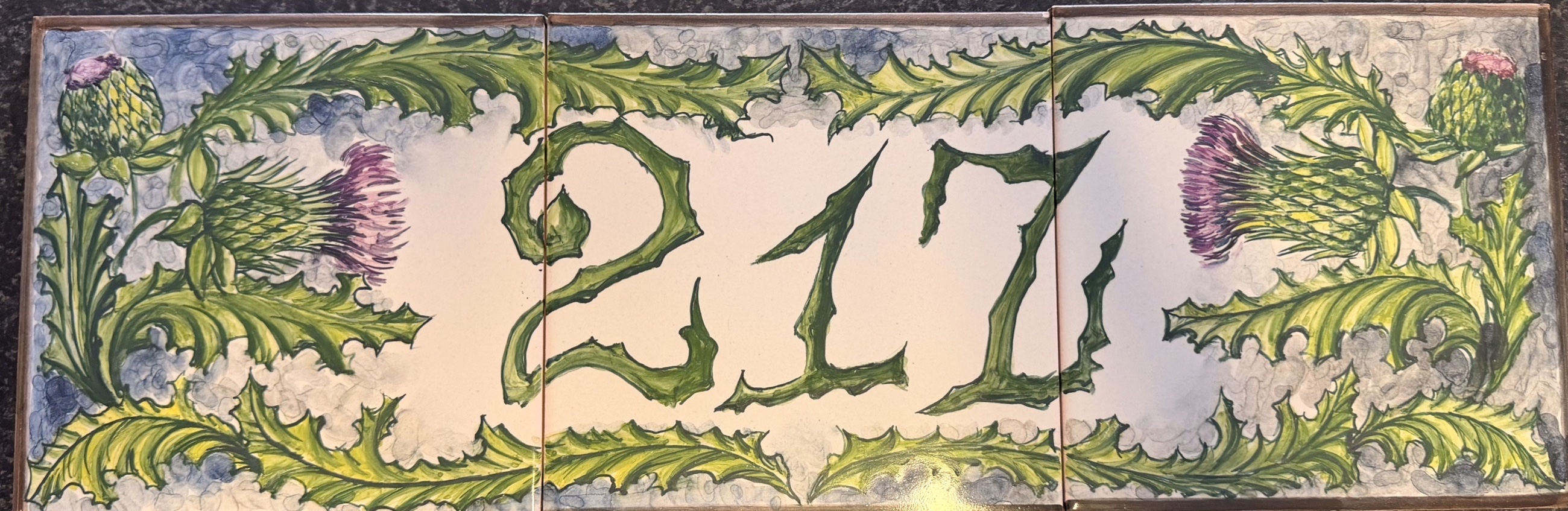
Colourful hand-painted botanical ceramic tile mural

02 · Painted ceramic

Drawing across a modular field

Botanical and figurative marks move across the joints, allowing the tiled grid to become part of the composition.

03

Project photography reserved

03 · Future project archive

A surface shaped around the room

Reserved for a photographed direct-to-wall mural showing how colour, scale and circulation work together.

04

Project photography reserved

04 · Future project archive

Depth without visual weight

Reserved for Venetian-style decorative plaster, including close-up material detail and a full-room view.

05

Project photography reserved

05 · Future project archive

From artwork to architecture

Reserved for installation photography, showing junctions, edges, lighting and the completed spatial relationship.

Commission process

Clear enough for a project team. Open enough for art.

Every commission is developed around its site. The exact scope adapts to the project, but the working rhythm stays legible from briefing through handover.

  1. 01

    Brief & site information

    We review plans, dimensions, photographs, programme, material conditions, location, access, budget and target completion.

  2. 02

    Concept & material direction

    Manech develops the visual idea, scale and palette. The team agrees whether tile, direct painting, plaster or a combined approach best serves the space.

  3. 03

    Samples & coordination

    Where required, colour and finish samples are prepared. Fixing, joints, edges, lighting, protection and interfaces are coordinated with the architect or contractor.

  4. 04

    Making & installation

    The work is painted or fabricated by hand, documented, packed and installed on site or delivered with an agreed installation method.

  5. 05

    Handover & care

    The client receives material notes, care guidance and a record of the completed work.

For architects & designers

What helps us price and plan accurately.

An early enquiry does not need to be complete. Send what exists; the missing technical questions can be resolved together.

Useful files: PDF plans · elevations · CAD exports · site photographs · material schedules

  • 01

    Project location and type

  • 02

    Wall dimensions or relevant drawings

  • 03

    Interior, exterior or wet-area exposure

  • 04

    Known substrate and wall build-up

  • 05

    Reference images or creative direction

  • 06

    Programme, access and installation constraints

  • 07

    Indicative budget or tender allowance

  • 08

    Decision-makers and approval stages

Practical questions

Before the first drawing.

01Can the work be commissioned internationally?

Yes. Projects can be developed remotely with the design team, with fabrication, packing, transport and installation responsibility agreed for each location.

02Which material is best for an exterior mural?

Exposure, substrate, climate and maintenance determine the system. Fired ceramic tile is often a strong exterior option, while wall paints and mineral finishes require a site-specific technical review.

03Can Manech work from an architect’s drawings?

Yes. Plans, elevations, renders and material schedules help position the artwork precisely within the architecture. The artistic composition remains developed in direct dialogue with the project team.

04How is a budget established?

Pricing considers concept development, surface area, material system, sampling, fabrication time, travel, access, packing, delivery and installation. A budget range helps define an appropriate first proposal.

05How early should we make contact?

As early as possible. Early coordination gives the project team more freedom around substrates, lighting, junctions, programme and installation access.

Project enquiry

Bring the wall into the conversation.

Share the information you already have. A reply can begin with a simple feasibility discussion before any formal proposal.